July 30, 2026
Local Digital Marketing for Anchorage Small Businesses: A Complete Guide



Anchorage visibility is the first problem to solve
Many Anchorage businesses do not have a brand awareness problem as much as a findability problem. When someone in Midtown searches for a plumber, dentist, dog groomer, or nearby restaurant, the businesses that appear first in Google Maps often get the first call. Review counts, listed hours, photos, and the accuracy of a Google Business Profile can influence that decision before a customer ever reaches the company’s website.
The Alaska Small Business Development Center reports that 81% of consumers look up a business before making a purchase. That means your online listings are already doing sales work for your business, whether you actively maintain them or not.
Alaska also brings its own challenges. Demand can shift quickly between the busy summer season and slower winter months. Weather changes what people search for and when they need it. Location matters too. Customers in Spenard, Eagle River, South Anchorage, and the Mat-Su Valley do not always search the same way or travel the same distance for a service.
The goal of this guide is to keep things practical. We will cover how to strengthen your Google Business Profile, build local SEO that supports your business year-round, use social media and local partnerships to increase awareness, and measure whether your marketing is actually producing calls, leads, and sales.
Business.com also cautions that marketing ROI can be misleading when it is measured too early or without enough context. For small businesses, the biggest gap is often connecting calls, form submissions, store visits, and booked work back to the marketing that helped generate them.
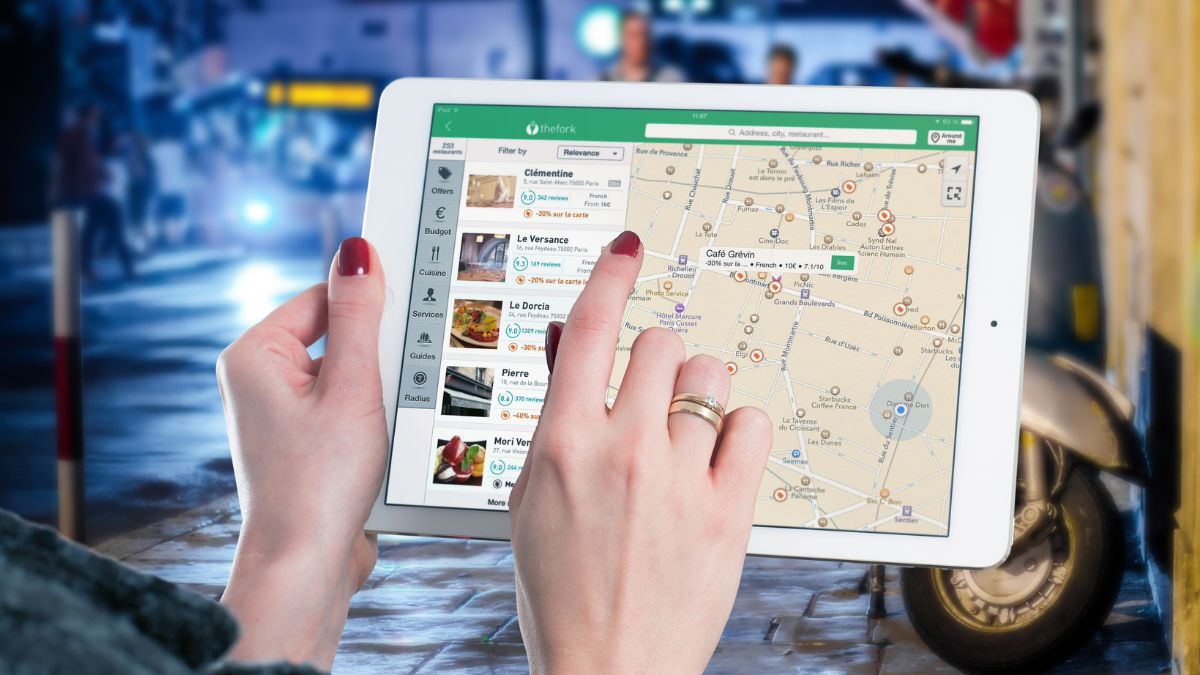
When someone searches for a plumber, coffee shop, medical provider, or auto shop near them, Google will often show a map with three local businesses before the standard website results. This section is commonly called the local map pack, and it is influenced heavily by each business’s Google Business Profile.
If your profile is incomplete, inaccurate, or rarely updated, your business may be missing customers who are already nearby and ready to take action. For many Anchorage trades, clinics, restaurants, and retailers, that search happens on a phone while the customer is deciding where to call or drive.
The basics are not glamorous, but they matter. Use your exact business name, select the most accurate primary category, list your real business hours, define your service areas, upload current photos, and respond to every review, whether it is positive or negative.
Update the profile whenever something changes. If you shorten your hours in December, close temporarily during breakup, add a winter service, or change how customers enter your building, update the listing right away. Customers should not have to call just to find out whether the information on Google is correct.
Your website should support the same local visibility goals. Keep your business name, address, and phone number consistent everywhere they appear online. Create useful service and location content based on the areas you genuinely serve.
For example, a business serving South Anchorage, Eagle River, and Midtown may benefit from separate location-focused sections or pages. Each one should include real details about the services offered, nearby neighborhoods, common customer needs, and relevant landmarks. Simply replacing one city name with another will not create a useful local page.
The strongest local content answers the questions customers in that area are already asking. It should explain what you provide, who you help, where you work, and what makes the service practical for that part of Alaska.
Google Business Profile can show website clicks, calls, messages, and direction requests. Call tracking and properly tagged website forms can help connect those actions to booked appointments or completed jobs.
Review these numbers monthly and compare them with the same period from the previous year whenever possible. Alaska demand is highly seasonal, so a week-to-week comparison can create the wrong impression. A January campaign and a June campaign may perform very differently even when both are working as intended.
Not sure whether your business is showing up where local customers are looking? Elevate Digital Marketing Solutions can review your Google Business Profile, website visibility, and current campaigns to identify practical opportunities for improvement.
Search marketing reaches people who already know what they need. Social media and community-based promotion reach customers earlier, before they are ready to search or make a purchase.
Social media marketing in Anchorage works best when the content clearly feels local. Share a first-freeze update that changes your service schedule, your summer rush hours, a customer story from a recognizable neighborhood, or a behind-the-scenes photo from a job in Muldoon or Spenard. Generic stock content is easy to scroll past. A timely photo from a real Alaska business is much harder to ignore.
Consistency matters more than making every post look like a large production. A simple, steady stream of useful updates, customer stories, local photos, service reminders, and seasonal information will usually build more trust than a short burst of polished content followed by months of silence.
Community involvement can build visibility in ways paid search cannot. Sponsor a neighborhood cleanup, school team, nonprofit fundraiser, or local event. Look for partnership opportunities with businesses that serve a similar customer without offering the same service, such as a clinic and a gym, or a coffee shop and a nearby retail store.
Alaska businesses can also build promotions around moments that already matter to local customers, including PFD season, fishing openers, Fur Rondy, Iditarod, the start of studded-tire season, tourism season, and breakup cleanup.
One clear campaign repeated across several channels is often more effective than five unrelated ideas. A business might run sponsored content, an email campaign, social posts, and an out-of-home placement during the same two-week period using one offer, one message, and the same visual style.
Email can be a valuable multiplier because it reaches customers who already know the business. The Alaska SBDC guidance cited earlier reports an average return of $36 for every $1 spent on email marketing. Elevate also offers Anchorage digital billboard and Alaska-wide out-of-home placement options that can support a coordinated online offer.
This combined approach is especially useful for businesses that depend on trust and repeat exposure, including clinics, trades, restaurants, professional services, and local retailers. One impression rarely closes the sale, but a consistent message across several touchpoints can make the business easier to remember and easier to choose.
Start with a short list of numbers you can realistically review each month: phone calls, direction requests, website visits from local search, form submissions, quote requests, booked jobs, closed sales, and total ad spend by channel.
Then pair those results with an average customer or job value from your own records. Without that dollar figure, most marketing reports show activity rather than business impact.
Local attribution is rarely clean. A customer in Chugiak may see a digital billboard in Anchorage, search for the company two days later, follow it on social media, and finally call after receiving an email. The channel that closes the sale is not always the channel that first created awareness.
Instead of giving all the credit to the final click, look at the full path. Ask new customers how they heard about you, use campaign tracking where possible, and review the channels that repeatedly appear before a call or form submission.
- Campaign-specific landing pages: Create one page for each major offer, service, or season so you can separate traffic and conversions.
- Call tracking numbers: Use distinct numbers for paid search, social campaigns, or out-of-home placements so calls can be connected to the right source.
- A one-page monthly report: Review spend, leads, booked work, and estimated revenue by channel using the same format each month.
Measure campaigns at the right time. New SEO work and early social campaigns will often show cost before they show meaningful revenue. During the first stage, watch leading indicators such as visibility, website engagement, review growth, call volume, and qualified inquiries. Once the campaign has had enough time to work, evaluate it against booked work and revenue.
Seasonality also needs to be part of the calculation. Fishing, tourism, construction, healthcare demand, retail cycles, and winter services do not follow the same schedule. Compare each month with the same month from the prior year instead of assuming the previous month is the best benchmark.
For many owner-operated businesses, the hardest part of digital marketing is not understanding one channel. It is coordinating all of them. Search, social media, email, the website, digital advertising, print, and local promotions may all draw from the same budget and target the same customer, but they can quickly drift apart when different people manage each piece.
A promotion may appear on the website but never make it into the email. A social campaign may launch after the print ad has already ended. A billboard may run after the seasonal rush has passed. These gaps usually come from coordination problems rather than a lack of ideas.
Working with one team can create one calendar, one set of priorities, and one reporting process. It also makes it easier to reuse strong creative, keep offers consistent, and adjust campaigns when Alaska weather, staffing, or seasonal demand changes.
The phrase should describe a clear working relationship, not just a sales promise. Look for shared goals, a regular reporting schedule, direct access to the people doing the work, and fewer handoffs between the person managing the ads and the person updating the website.
Outside support can improve consistency, but it does not remove the owner or internal team from the process. The agency will still need access to the right accounts, timely approvals, accurate business information, and a clear definition of what a qualified lead is worth. Vague direction usually produces vague results.
Cost is usually shaped by four things: the number of channels being managed, the amount of new content and creative needed each month, the paid media budget, and the amount of hands-on local execution required. A single campaign using existing creative will cost less than an ongoing program that includes search, social media, display, email, website updates, photography, and reporting.
Ask any marketing partner to separate management fees from media spend. That makes it easier to understand what you are paying for and how much of the budget is reaching customers.
Start with the action you want customers to take. Calls, appointments, and store visits often begin with local search, so an accurate Google Business Profile and a useful website are usually the first priorities. Email works well for staying connected with existing customers. Social media, programmatic advertising, sponsored content, and digital billboards can then expand awareness around a specific offer or season.
Track calls, direction requests, form submissions, booked work, and cost per lead by channel. Use call tracking, campaign links, and unique landing pages where possible. Give campaigns enough time to cover a normal buying cycle before making major decisions.
An agency is most useful when execution and coordination are the bottlenecks. Many business owners know what they want to promote but do not have enough time to publish content, update listings, manage bids, review analytics, coordinate creative, and report on results every week.
Usually not. Alaska businesses often need to adjust messaging, budgets, services, and promotions around tourism, weather, construction cycles, holidays, PFD season, and other local buying patterns. The overall strategy can remain consistent while the monthly priorities change.
Strong local marketing does not come from being everywhere at once. It comes from making your business easy to find, giving customers enough reasons to trust you, and connecting each marketing channel to a clear business goal.
For most Anchorage businesses, the best place to begin is with the basics: an accurate Google Business Profile, a useful website, consistent local information, and a simple way to track calls and leads. From there, social media, email, events, digital advertising, sponsored content, and out-of-home placements can work together to expand your reach.
The most effective strategy will be different for every business. Your budget, service area, seasonal demand, customer value, and internal capacity should all shape the plan.
Ready to improve your visibility and get more value from your marketing budget? Elevate Digital Marketing Solutions helps Alaska businesses coordinate local SEO, Google Business Profile management, websites, social media, email, digital advertising, sponsored content, and traditional media campaigns around one practical strategy.
Contact our team for a complimentary marketing review. We will take a closer look at your current presence, identify missed opportunities, and recommend realistic next steps based on your goals.